
GBGB Regulations and Greyhound Welfare
 Available in US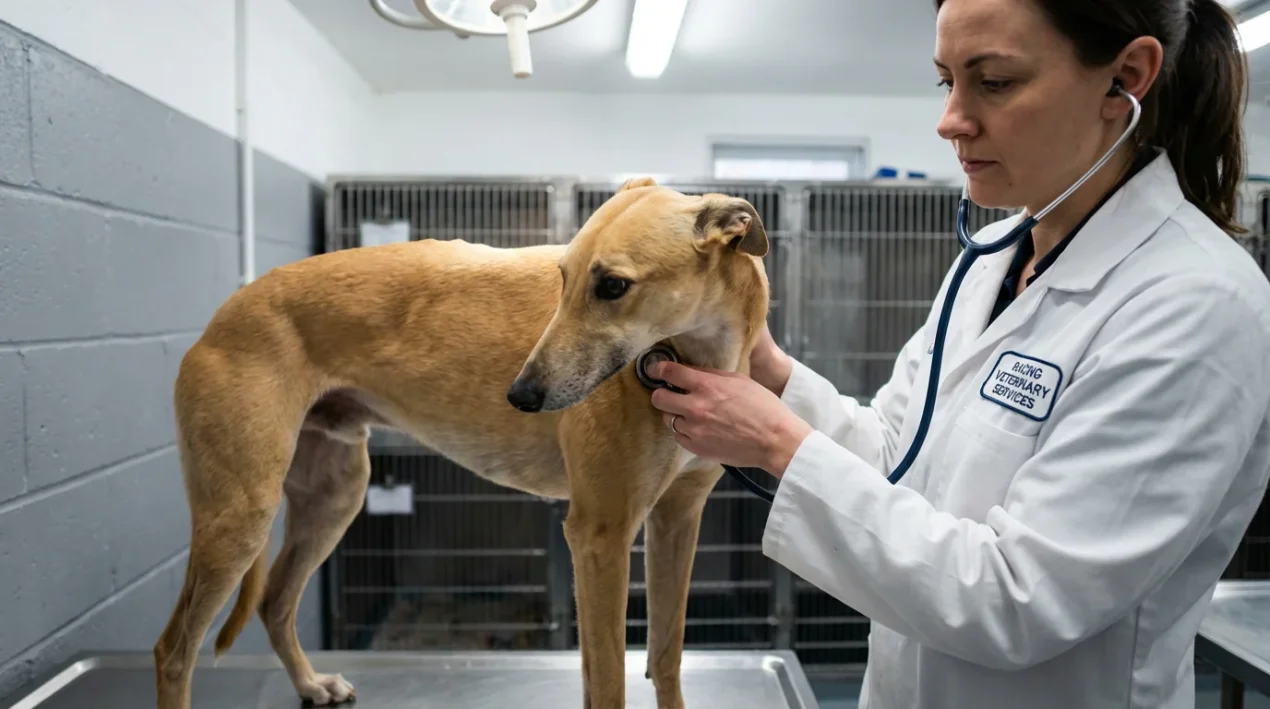
Contents
Regulation as Context for Informed Betting
Greyhound racing in the UK is a regulated sport, and the regulatory framework shapes every race you bet on. Understanding who regulates the sport, what the rules are, and how welfare standards are enforced isn’t a detour from betting analysis — it’s context that directly affects race integrity, the reliability of form data, and the confidence you can place in the product you’re wagering on.
A well-regulated sport produces trustworthy results. If dogs are tested for prohibited substances, if trainers face consequences for rule breaches, and if welfare standards ensure that dogs are fit to race, the form book becomes a reliable tool rather than a document full of asterisks. The Greyhound Board of Great Britain — the GBGB — is the body responsible for maintaining that framework, and its work underpins every bet placed at a licensed track.
What the GBGB Does: Licensing, Rules, and Testing
The GBGB is the governing and regulatory body for licensed greyhound racing in the UK. It licenses tracks, registers greyhounds, and sets the rules under which racing operates. Any track that holds GBGB-licensed meetings must comply with its standards, and any dog that races at these venues must be registered with the organisation.
Licensing extends to trainers and racing officials as well as tracks. Trainers must meet specific requirements to hold a licence, including standards for kennel facilities, veterinary care and record-keeping. This licensing system creates a baseline of professionalism that distinguishes licensed racing from unlicensed or “flapping” tracks, where no regulatory oversight applies and form data is unreliable. For bettors, the distinction matters: GBGB-licensed results can be trusted as accurate; unlicensed results carry no such guarantee.
The GBGB sets racing rules covering everything from grading policy to trap draws, from non-runner procedures to the use of equipment. These rules standardise the sport across all licensed venues, which means a bettor who understands the grading system at Romford can apply the same knowledge at Nottingham or Sunderland. Without this standardisation, cross-track form comparison would be impossible.
Disciplinary procedures give the rules teeth. Trainers, owners and officials who breach GBGB regulations face sanctions ranging from fines to licence suspension or revocation. The GBGB publishes outcomes of disciplinary cases, which provides transparency and reinforces the deterrent effect. For bettors, this means that rule breaches — when they occur — are investigated and punished, maintaining the competitive integrity that form-based analysis depends on.
Drug testing is a core regulatory function. The GBGB conducts routine and targeted sampling of greyhounds at licensed meetings, testing for prohibited substances that could enhance or suppress performance. Positive tests result in sanctions against the trainer, disqualification of the dog’s result, and potential suspension or revocation of the trainer’s licence. The testing programme is designed to deter doping and protect the integrity of results — both of which are essential for bettors who rely on form to assess future performance.
Drug Testing, Retirement, and Injury Protocols
The GBGB’s drug-testing programme operates on two levels: routine sampling at meetings and intelligence-led testing targeted at specific trainers or dogs where concerns have been raised. The range of prohibited substances includes stimulants, sedatives, painkillers and other compounds that could affect a dog’s performance. The testing protocols are aligned with international standards and are regularly updated to reflect new substances and methods.
For bettors, the existence of a robust testing programme provides assurance that the results you’re analysing reflect genuine ability rather than pharmaceutical intervention. No testing regime is perfect, and the possibility of undetected doping exists in any sport. But the GBGB’s programme creates a meaningful deterrent that keeps the vast majority of licensed racing clean — and that’s a foundation that the betting product depends on.
Welfare extends beyond the track. The GBGB oversees retirement and rehoming standards for dogs that leave racing. Trainers are responsible for ensuring that their dogs are found suitable homes or transferred to recognised rehoming charities when their racing careers end. The organisation tracks the outcomes of retired dogs and publishes data on rehoming rates, which have improved significantly in recent years as welfare standards have tightened and public scrutiny has increased.
Injury protocols require that dogs are examined by a track veterinary surgeon before and after racing. Pre-race inspections check for fitness to compete, and any dog showing signs of injury or illness is withdrawn. Post-race, dogs that have been involved in incidents or are showing distress are examined and, where necessary, stood down from future racing until cleared. These protocols protect animal welfare and, from a betting perspective, ensure that the dogs entering a race are genuinely fit to compete — which makes the form book a more reliable guide to future performance.
The GBGB also maintains an injury reporting system that tracks the incidence and severity of racing injuries across all licensed tracks. This data informs safety improvements to track design, surface maintenance standards and racing procedures. Tracks with above-average injury rates face scrutiny and may be required to implement changes before continuing to host licensed meetings. For bettors, this ongoing safety focus means that the racing product is continually being refined to reduce the incidence of incidents that produce form anomalies and unpredictable non-runners.
How Regulations Affect Race Integrity and Betting Confidence
The practical impact of GBGB regulation on betting is threefold. First, standardised rules mean form data is comparable across tracks and over time. A dog’s recent results at any GBGB venue were produced under the same regulatory framework, which makes cross-track form comparison valid. Second, drug testing supports the assumption that results reflect ability rather than manipulation, which is the foundational premise of form-based betting. Third, welfare and fitness standards ensure that dogs are competing in genuine condition, reducing the incidence of unexplained poor performances caused by undisclosed injuries or health issues.
None of this means that every result at a GBGB track is perfectly predictable or free from controversy. Dogs still get bumped. Trainers still make decisions that affect form — resting dogs strategically, entering them at unfavourable distances, or managing their grade progression. These tactical decisions are part of the sport, and interpreting them is part of the analytical challenge. What regulation provides is a floor of integrity below which the sport doesn’t fall, and that floor is what makes betting on greyhounds a legitimate analytical pursuit rather than a pure gamble.
A Well-Regulated Sport Deserves Informed Punters
The GBGB’s regulatory framework exists to protect greyhounds, maintain fair competition, and uphold the sport’s integrity. As a bettor, you benefit from all of this — your form analysis depends on it. Knowing that the sport you’re betting on is licensed, tested, and regulated should increase your confidence in the data you’re working with and the conclusions you draw from it.
In return, informed punters contribute to the sport’s sustainability. Betting revenue funds prize money, which funds racing, which supports the employment of trainers and the care of dogs. Understanding the regulatory context isn’t just good for your betting — it connects your activity to the broader ecosystem that keeps UK greyhound racing operating at a professional level.
Stay informed at greyhoundbettingtipsuk.
Also read our legal information.
